
The complete guide
HB3 9005 Headlight Bulbs, A Practical Buyer's Guide
The problem with one dead headlight
You notice it at a stop sign. One beam is on the road and the other side is dark, or the two sides look unevenly bright against a garage door. A headlight bulb has either failed or is on its way out, and suddenly a small part is a real problem. Night driving is harder, oncoming traffic sees less of you, and a failed light is an easy thing for a passing officer to notice.
The good news is that this is one of the cheapest and most approachable repairs on a car. A bulb is a consumable. Filaments have a working life, and they end. You are not diagnosing a fault so much as replacing something that wore out on schedule.
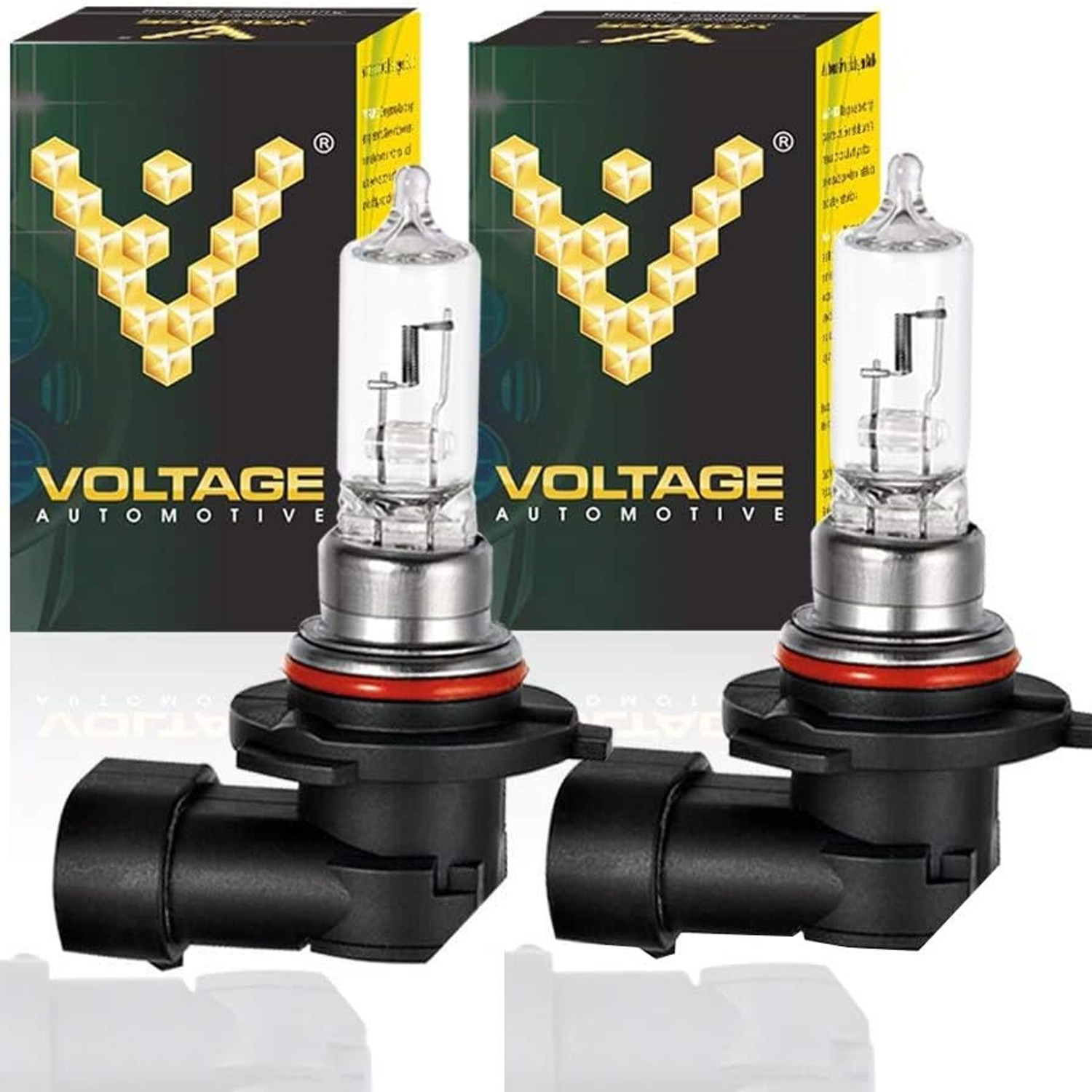
The only genuinely tricky part is ordering the right shape. Headlight bulbs come in a long list of fittings, and they are not interchangeable. This product covers one of the common ones, the HB3, which parts catalogs also list as 9005.
What HB3 and 9005 actually mean
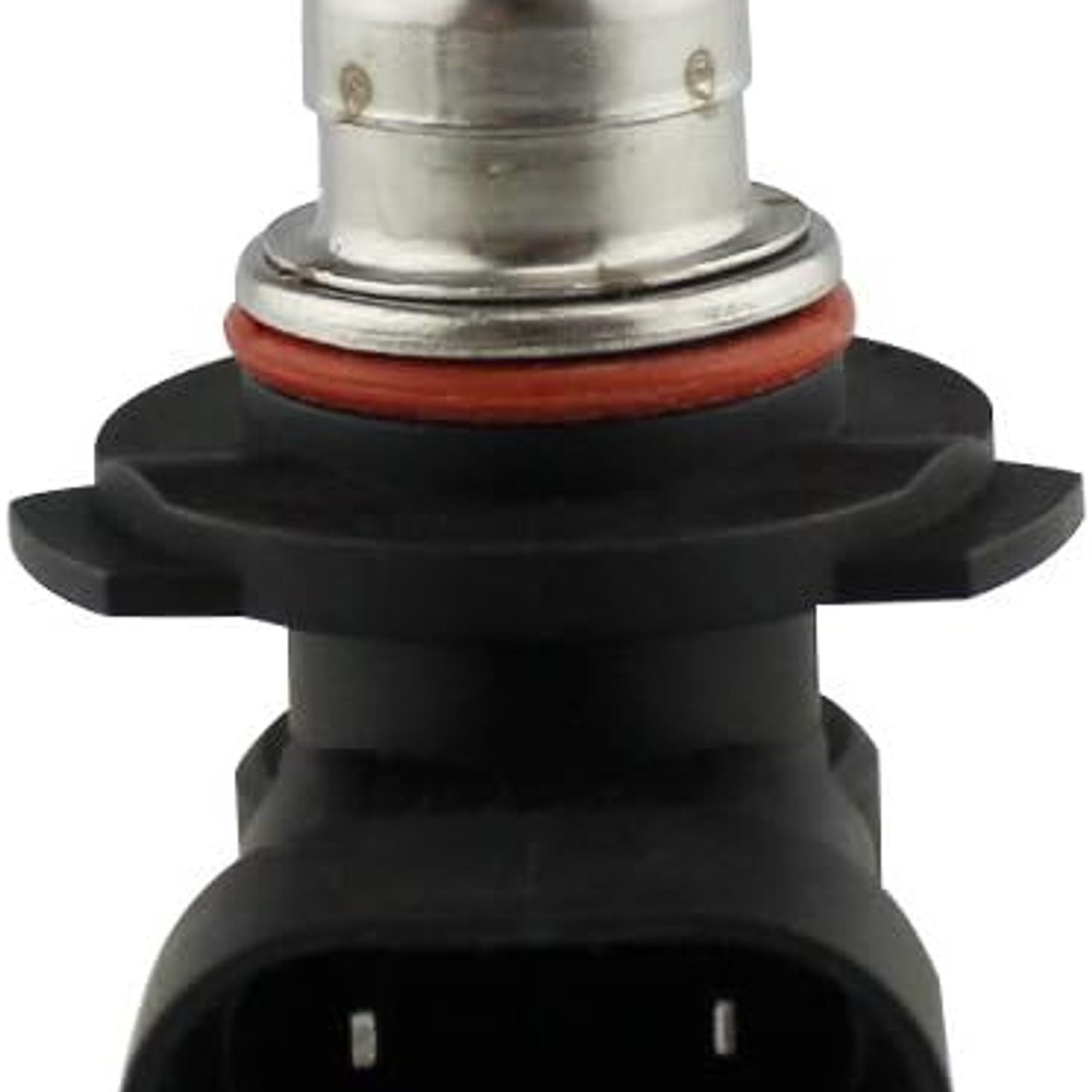
HB3 and 9005 are two names for the same fitting. One is the international style of naming and the other is the North American trade number, and both describe a bulb with the same base shape, the same tab arrangement, and the same way of seating in a headlight housing. If you have been searching one term and getting results for the other, that is why.
The important point is that the fitting controls whether a bulb physically goes in and lines up correctly. A bulb with a different base will not sit right, and forcing it is not an option. So the first step for any headlight purchase is to find out what fitting your car uses, not to browse by what looks bright.
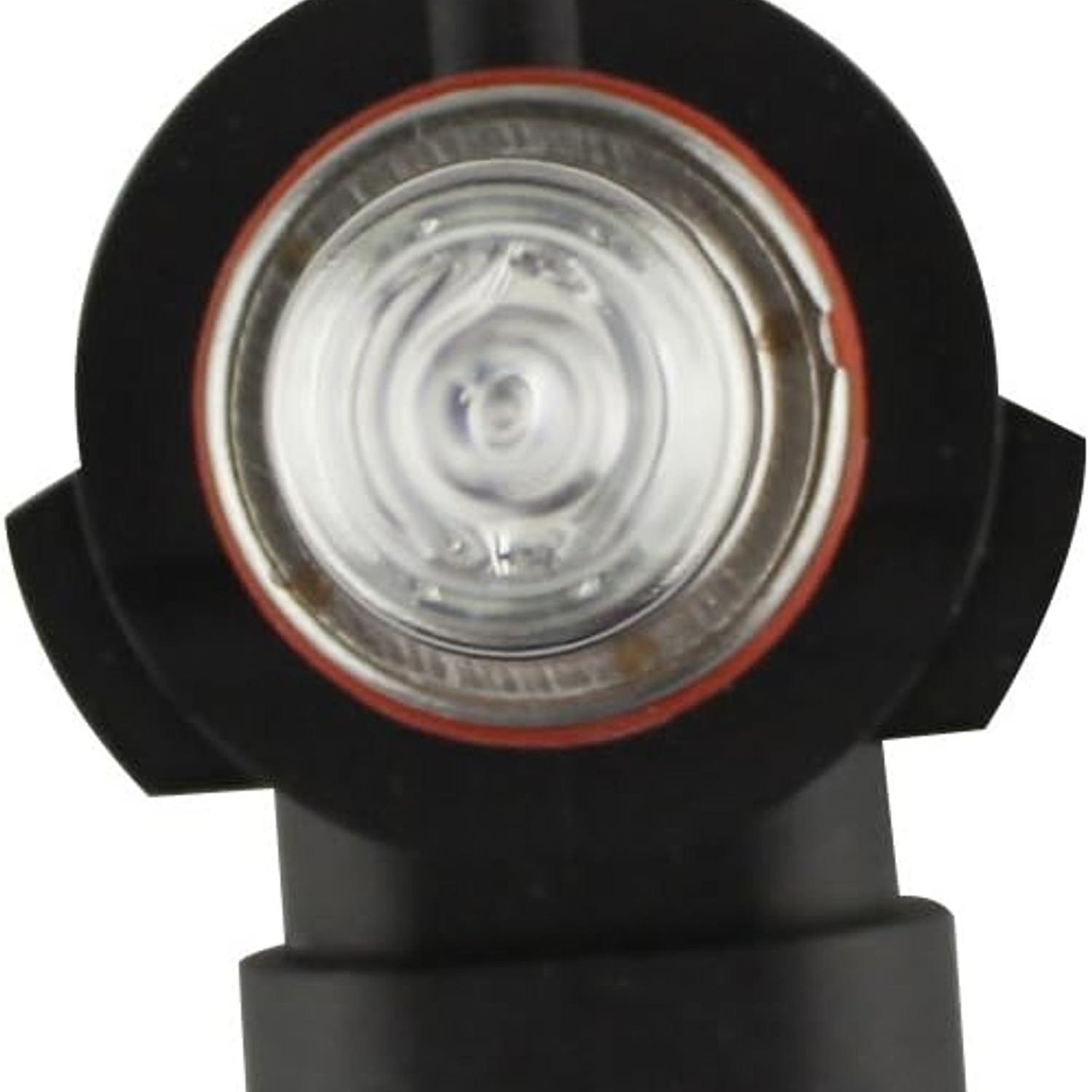
These particular bulbs are halogen. That means a tungsten filament inside a small glass capsule filled with halogen gas, which is the technology most cars left the factory with. The filament sits in a specific position inside the capsule, and the headlight housing behind it, the reflector or the lens, was designed around exactly that position. That is the main reason fitting type matters so much.
Reading the fitting off your own car
Two reliable ways to check. The first is the owner manual. Look for the headlight line and see whether HB3 or 9005 appears.
The second way, and the one many people trust more, is to pull the old bulb and read it. The code is printed or molded on the base, usually near where the metal meets the plastic. It will be small but legible. If the number says 9005 or HB3, this pack is the matching shape.
What is not reliable is guessing from the car's age or from what a friend with a similar car uses. Manufacturers change bulb fittings between trims and model years all the time. We list this product by fitting type only, so we do not claim it suits any named vehicle. Check the code, then order.
If you need a bulb carrying a particular approval marking, that is a separate question from fitting. We do not claim an approval mark for this bulb. Look at what is printed on the bulb you removed, and if the marking matters to you, message us first and we will tell you what this one carries before you buy.
Why a pair is the sensible purchase
Both headlight bulbs in a car have usually done the same number of hours. When one dies, the other is not far behind. Replacing just the dead one often means doing the whole job again a few weeks or months later, which is irritating when the awkward part is reaching the back of the housing.
There is also a visual reason. An aging halogen bulb dims gradually and its light shifts slightly in color as the filament and the glass change over time. You never notice that happening because it happens slowly. Doing both sides at once avoids that completely.
This pack contains two bulbs, so you have the option either way. Fit both and the pair is matched. Fit one and the spare lives in the glovebox for the night the other side gives up, which is a better place for it than a parts shelf at home.
Doing the swap
Access is the variable. On some cars the bulb is right there at the back of the headlight, reachable with one hand from the engine bay, and the whole job is three minutes. On others you have to move a washer bottle, pull a plastic cover, or turn the steering and go in through the wheel arch. The manual usually tells you which situation you are in.
The sequence is much the same everywhere. Turn the lights off. Let the old bulb cool, because bulbs run very hot and a recently used one will burn you. Unplug the connector, release whatever holds the bulb in place, whether that is a spring clip or a twist collar, and pull the bulb straight out.
Fitting the new one is the reverse, with one rule on top. Do not touch the glass with bare fingers. Oils from skin stay on the capsule, heat unevenly when the bulb runs, and can shorten its life. Hold it by the base. If you do touch the glass, wipe it with a lint-free cloth and a little rubbing alcohol, let it dry, then fit it.
Before you put covers back, switch the lights on and check both sides work. It is much easier to fix a loose connector now than after everything is reassembled.
Checking the aim and the rest of the lamp
Swapping a bulb for the same fitting should not change your headlight aim, since the new bulb seats in the same position as the old one. If the beams look wrong afterward, high on one side or scattered, the housing itself may have been knocked at some point, and an aim check at a shop sorts that out.
While the headlight is apart, it is worth a quick look at the connector. Corroded or heat-damaged terminals cause flickering and early bulb failure, and they are easier to spot with the bulb out than any other time. Cloudy headlight lenses are also common on older cars and will cut light output no matter how fresh the bulb is.
Looking after them
There is not much maintenance to a headlight bulb, which is part of the appeal. Keep bare fingers off the glass during fitting and you have done the main thing. Keep a spare stored dry and in its packaging so the glass does not take knocks.
When the old bulbs come out, slide them into the packaging the new pair arrived in. That stops broken glass in a trash bag, and it makes it easy to take them to a recycling point if your area handles old lighting that way.
The short version
This is a two-bulb pack of HB3 halogen headlight bulbs, rated 12 volts and 65 watts. HB3 and 9005 describe the same fitting, so either code on your old bulb points here.
Confirm the fitting first, either in the owner manual's bulb chart or by reading the code off the bulb you removed. We match by fitting type, not by vehicle name, and we make no approval claim for this bulb, so if a marking matters to you, ask us before ordering.
Fit both sides if you can, hold the bulb by its base, and let the old one cool before you touch it. Beyond that, it is a short job with a clear result the next time you drive after dark.